


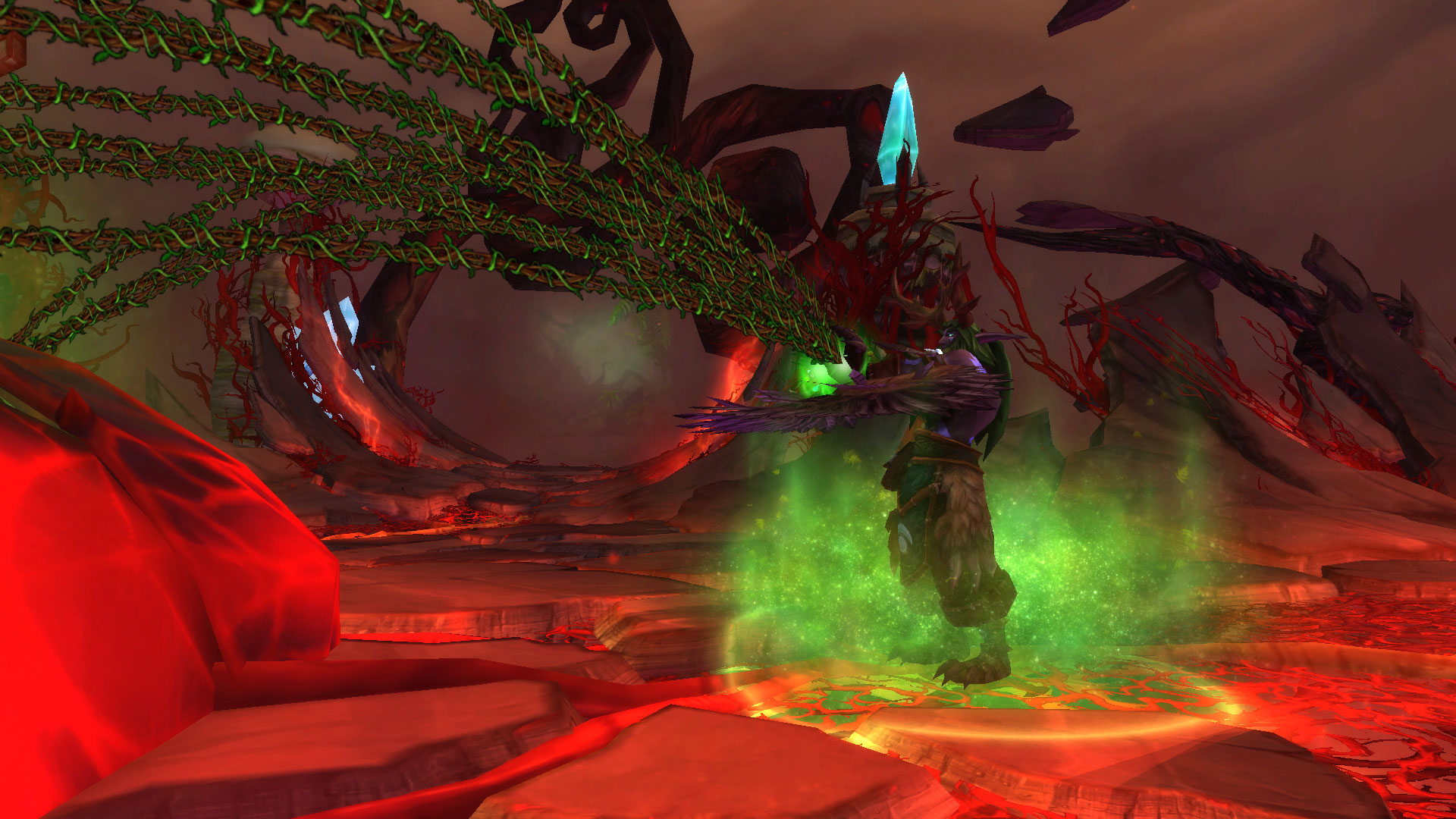
Understanding colorblind raid mechanics is crucial for ensuring that all players can effectively participate in group content. This guide will explore various aspects of colorblind accessibility in raids, including the use of marker shapes, soak icon sizes, and friendly nameplate hues. By implementing these strategies, players can enhance their gameplay experience and contribute to their team’s success.
What are the best marker shapes for colorblind players in raids?
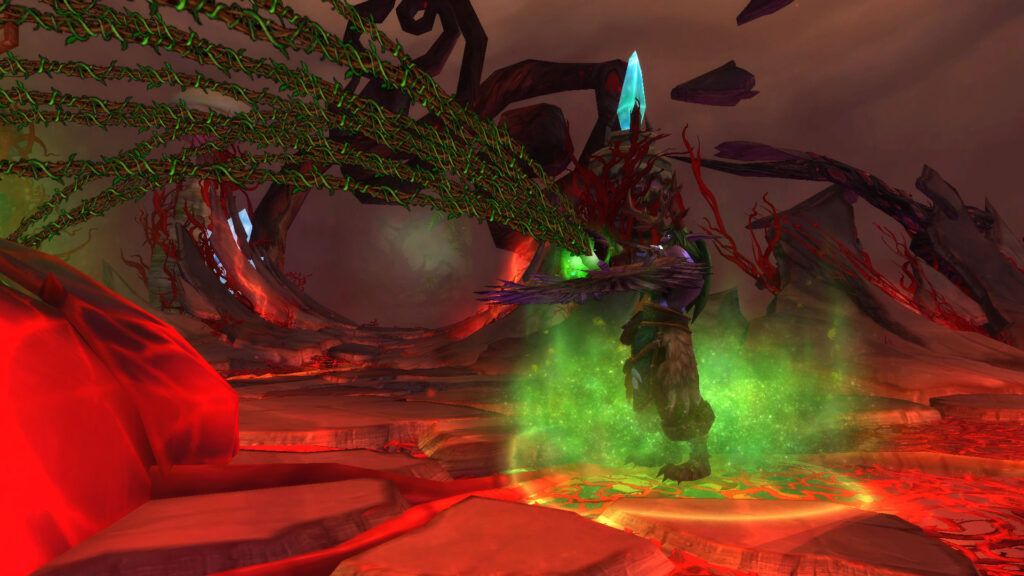
Using distinct marker shapes like circles, squares, and triangles is essential for colorblind players to quickly identify their roles in raids.
Markers are often used in raids to indicate specific roles or actions that players need to take. The effectiveness of these markers can vary based on the type of colorblindness a player has. Below is a comparison of common marker shapes used in raids.
| Marker Shape | Colorblind Accessibility | Common Uses | Player Preference |
|---|---|---|---|
| Circle | High | General markers | Widely accepted |
| Square | Medium | Soak mechanics | Preferred by some |
| Triangle | High | Target markers | Good for focus |
How do soak icon sizes impact colorblind players in raids?
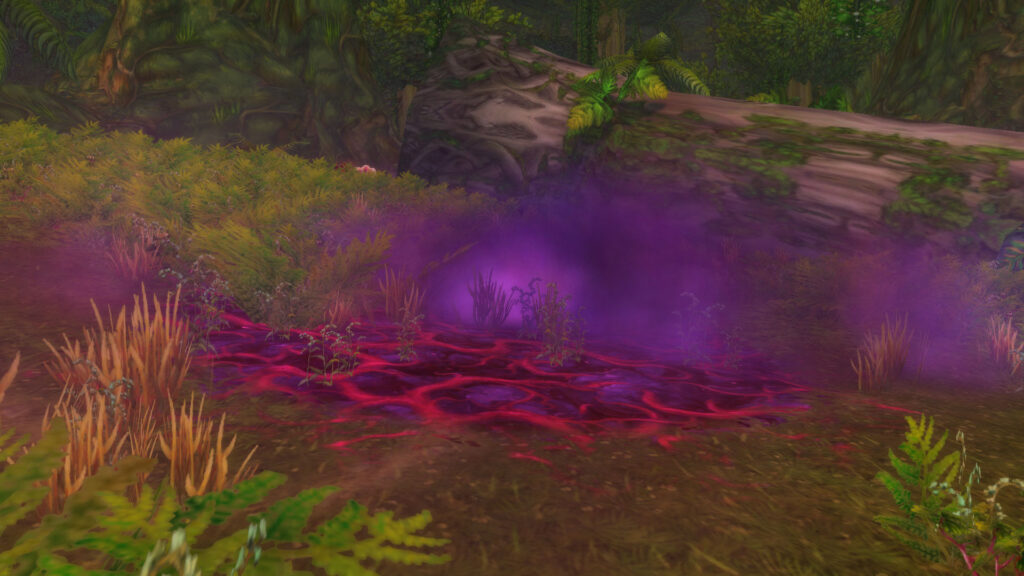
Larger soak icons are more effective for colorblind players, allowing them to quickly identify where to position themselves during critical mechanics.
The size of soak icons can significantly affect a player’s ability to respond to raid mechanics. Smaller icons may be difficult to see, especially in chaotic environments. By increasing the size of soak icons, developers can enhance visibility for all players, particularly those with colorblindness. This adjustment can lead to better awareness and quicker reactions during high-stakes moments.
When designing soak icons, it’s important to consider not just size but also the contrast against the background. High-contrast colors combined with larger sizes can help ensure that players can easily spot these icons. Additionally, incorporating unique shapes can further aid in recognition, minimizing confusion during intense encounters.
What friendly nameplate hues are best for colorblind players?
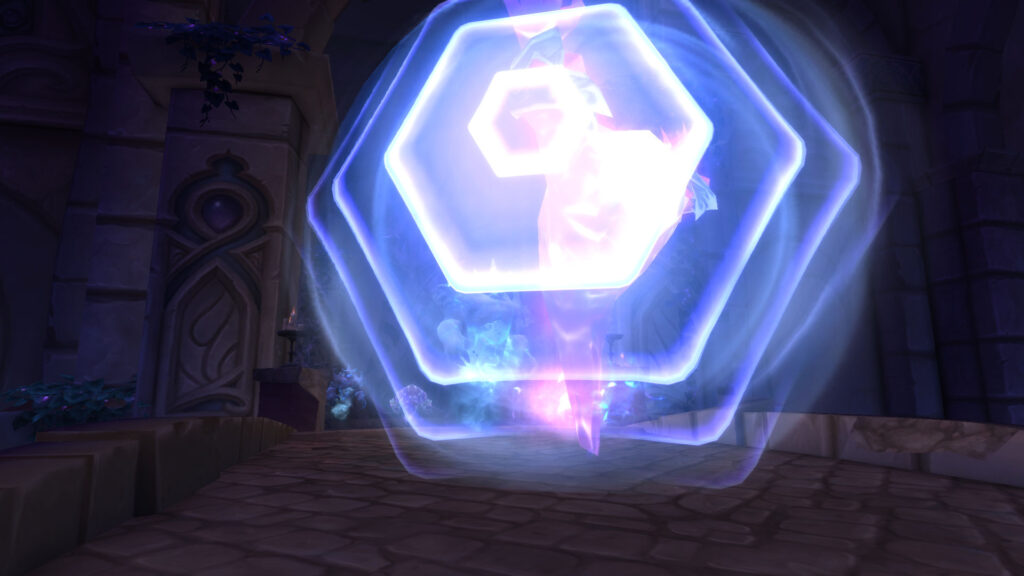
Using high-contrast colors for friendly nameplates, such as bright greens or blues, significantly improves visibility for colorblind players.
Friendly nameplates are essential for identifying allies during raids. For colorblind players, traditional colors like red and green can be problematic. Therefore, utilizing colors that are easily distinguishable, such as bright blues or yellows, can enhance the experience. Additionally, adjusting the opacity and brightness of nameplates can make them stand out against various backgrounds.
It’s also beneficial to implement outlines or shadows around nameplates to increase their visibility further. This can help players quickly identify their teammates, especially in crowded situations where multiple characters are present. Consistent use of these colors and styles across different encounters can help players adapt more quickly to various raid environments.
What are the critical steps to improve colorblind accessibility in raids?
Improving colorblind accessibility in raids involves implementing specific strategies for markers, soak icons, and nameplates.
To enhance the gameplay experience for colorblind players, consider the following actionable steps:
- Utilize distinct shapes for markers to differentiate roles effectively.
- Increase the size of soak icons to ensure they are easily visible during encounters.
- Choose high-contrast colors for friendly nameplates to improve identification.
- Implement outlines or shadows around nameplates for better visibility in crowded settings.
What are the advanced guidelines for colorblind raid mechanics?
Advanced guidelines include testing various color combinations and shapes to determine the most effective options for all players.
When developing colorblind-friendly mechanics, it’s important to engage in testing with players who have different types of colorblindness. This feedback can provide insights into which shapes and colors work best in various raid scenarios. Additionally, consider the environment in which these mechanics will be used, as lighting and background colors can influence visibility.
Furthermore, providing players with the option to customize their settings can empower them to adjust markers and nameplates according to their preferences. This level of personalization can significantly enhance the overall experience for colorblind players, allowing them to feel more included in the raid environment.
What potential issues might arise with colorblind mechanics in raids?
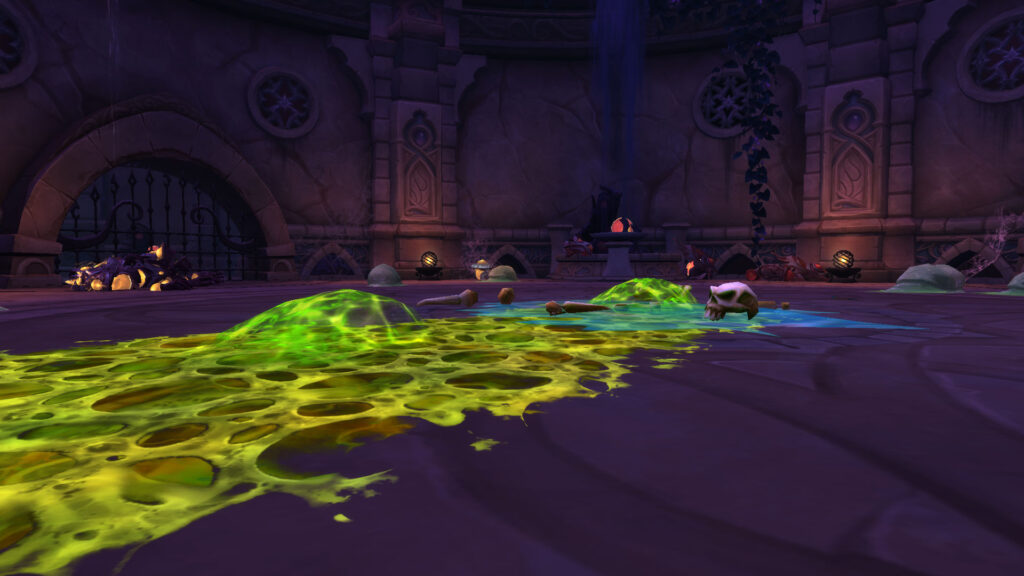
Potential issues include confusion over marker shapes and colors, which can lead to mistakes during critical raid mechanics.
While implementing colorblind-friendly mechanics is beneficial, there can still be challenges. For instance, if markers are not distinct enough or if color choices are similar, players may become confused about their roles. This confusion can lead to miscommunication and mistakes during encounters, potentially jeopardizing the success of the raid.
To mitigate these issues, it’s essential to continuously gather feedback from players and make adjustments as necessary. Regularly updating the community on changes and improvements can also help ensure that everyone is on the same page regarding mechanics and expectations.
How can colorblind mechanics scale for future raid content?
Colorblind mechanics can scale by continuously adapting to new raid designs and player feedback to ensure accessibility remains a priority.
As new raid content is developed, it’s crucial to maintain a focus on accessibility for colorblind players. This can involve revisiting existing mechanics and ensuring they remain effective in new environments. Additionally, incorporating player feedback into the design process can help identify potential issues before they become widespread problems.
Looking ahead, developers should consider trends in gaming accessibility and strive to implement innovative solutions that cater to a diverse player base. By prioritizing inclusivity, the gaming community can create a more enjoyable experience for all players, regardless of their visual abilities.

Freddie McCoy is a veteran gaming journalist and content creator. He began his career as an avid gamer, producing videos and reviews of the latest games. After gaining recognition in the gaming community, he went on to establish himself as one of the top video game commentators in the industry. His website and social media accounts feature hundreds of reviews, interviews with developers and other content creators, as well as insider information about upcoming releases. With each passing year, Freddie’s work continues to be recognized for its insightfulness and passion for gaming – earning him millions of passionate followers around the world. Whether it’s covering E3 or interviewing high profile developers; Freddie brings enthusiasm, knowledge, and entertainment to every project he touches making him one of the most important voices in the industry today.